Saturday, July 10, 2010


Thursday, June 24, 2010


Taste of Cherry

http://www.dvdtimes.co.uk/protectedimage.php?image=NoelMegahey/tasteofcherry2.jpg
This seemed like a twenty-minute movie made feature-length by having things go slowly and lots of shots of the setting. The main character struck me as a little too stalker-like and creepy. Probably my bad.
This seemed like a twenty-minute movie made feature-length by having things go slowly and lots of shots of the setting. The main character struck me as a little too stalker-like and creepy. Probably my bad.
Wednesday, June 23, 2010
Dresden

http://www.dw-world.de/image/0,,1903746_1,00.jpg
I found the female lead powerfully attractive, and in an unusual way, but that's my idiosyncrasy. I had a distinct feeling that I was getting a window into the way German people see themselves--knowing that this was a German production, and knowing that it had been popular in Germany--and for some reasons that was thrilling. The movie itself seemed too emotionally manipulative, too condescending.


Friday, June 18, 2010
Treeless Mountain

This movie, like Wendy and Lucy, requires patience and is utterly non-sensational. I found it more rewarding than than the latter. Wendy and Lucy's bleakness seemed highlighted to a slightly pushy extent (as with Lady with the Dog, in a very different, and much more extreme way), whereas in this movie the director let the situations and characters speak for themselves. The characterization of the two very young girls felt amazingly deep by the end, deeper maybe for actors this age than any I've encountered.
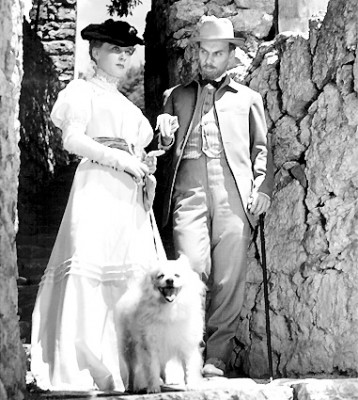
Lady With the Dog

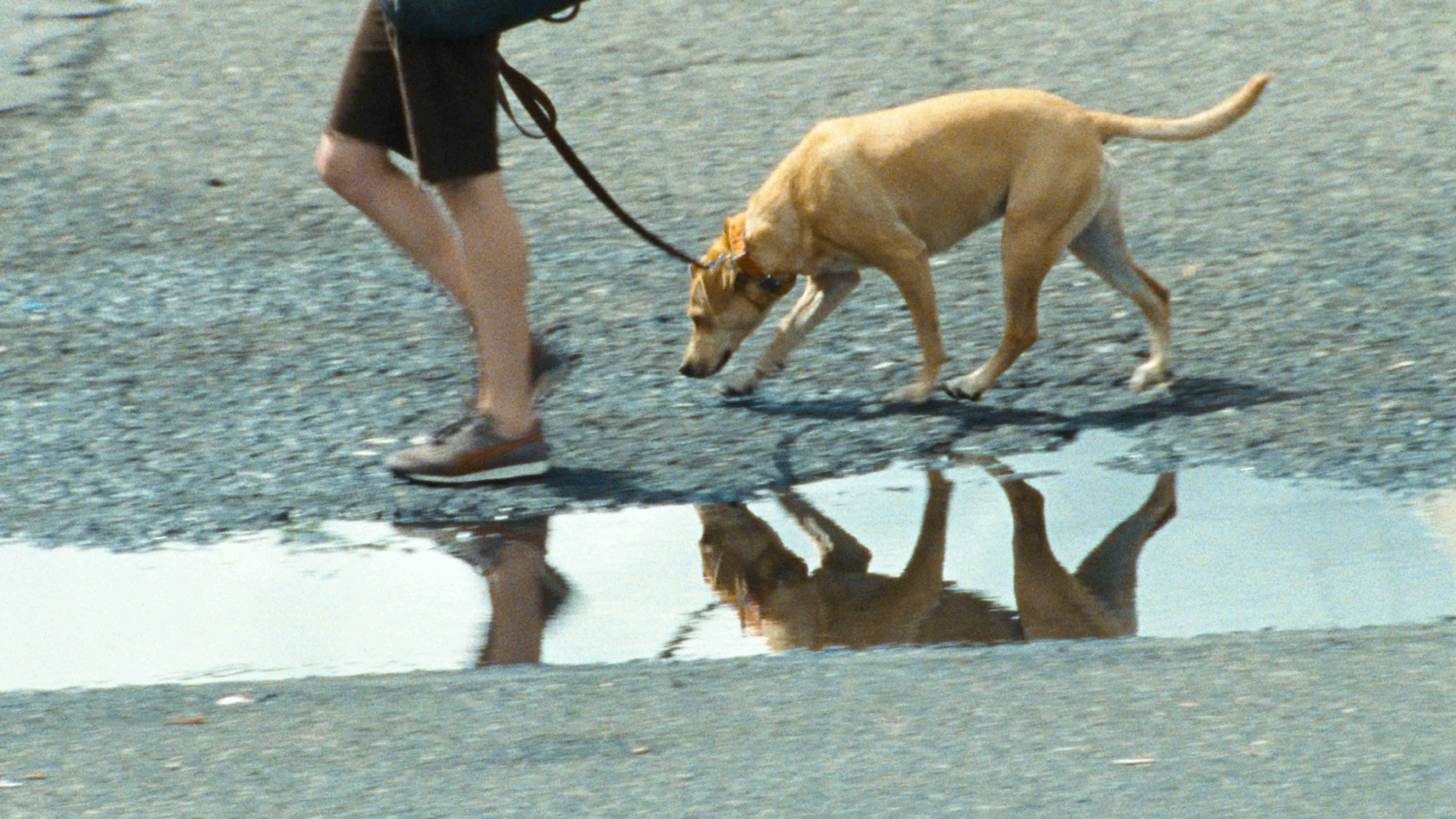
Wendy and Lucy

Certainly worthwhile, and I think I get how it captured something important about our bleakly dehumanized and atomistic culture; I get how uninterested in following Hollywood conventions the movie was. On the other hand, I didn't find it so fun to watch. My bad, probably.
The Oyster Princess

Friday, November 6, 2009
Love in the Afternoon
_11.jpg) http://www.doctormacro1.info
http://www.doctormacro1.infoI was reading on-line about Audrey Hepburn and learned that there was a movie with her that was directed by Billy Wilder besides Sabrina.
Once again I feel glad that Netflix forced me to upgrade the pertinent software (Silverlight 9 or 10 or some such). The blacks and whites and shades in between are rich to the point of voluptuousness.
Audrey Hepburn is as beautiful and compelling as I've seen, which is as strong a statement, in its way, as I can make. This movie reminds me of other Audrey Hepburn movies that seem to me too silly, yet I find this nothing but charming. Maybe Gary Cooper is a little shallow and inert, compared to his romantic opposite. He certainly is too old for her, but I don't object as I did to Cary Grant's being too old for Hepburn in Charade. I couldn't bear in that movie for Grant to be anything but his wonderful (actor) self. I don't care about Cooper; let him be a foil for Hepburn, I don't mind. I've never seen Maurice Chevalier in a performance I liked until now, not that I've seem him in many. He and Hepburn are terrific together as father and daughter. The actors aside, Wilder has rarely been so wonderfully cold-blooded. That's saying a lot. The cocktail of cold-bloodedness, farce, and sentiment is unique in my experience.
As a worshipper at the Audrey Hepburn shrine, I record that while I found her as beautiful and compelling in this movie as in her best movies, this movie itself isn't as perfectly gem-like as Roman Holiday, as poignant as her character's vulnerability makes Breakfast at Tiffany's, or as thrilling as her character's heroism and extreme vulnerability makes Wait Until Dark. But at I can put it in the Winner's column (Sabrina being the one other I've seen that I would put there as well).
The Spy Who Came in From the Cold

http://www.dvdbeaver.com
I don't know if I've ever seen a movie quite like this one--so relentlessly cerebral while at the same time having an electrifying narrative pulse. What a joy. The black and white cinematography so textured, and all the performances, but especially Richard Burton's, were a pure pleasure.
Subscribe to:
Posts (Atom)